Insights
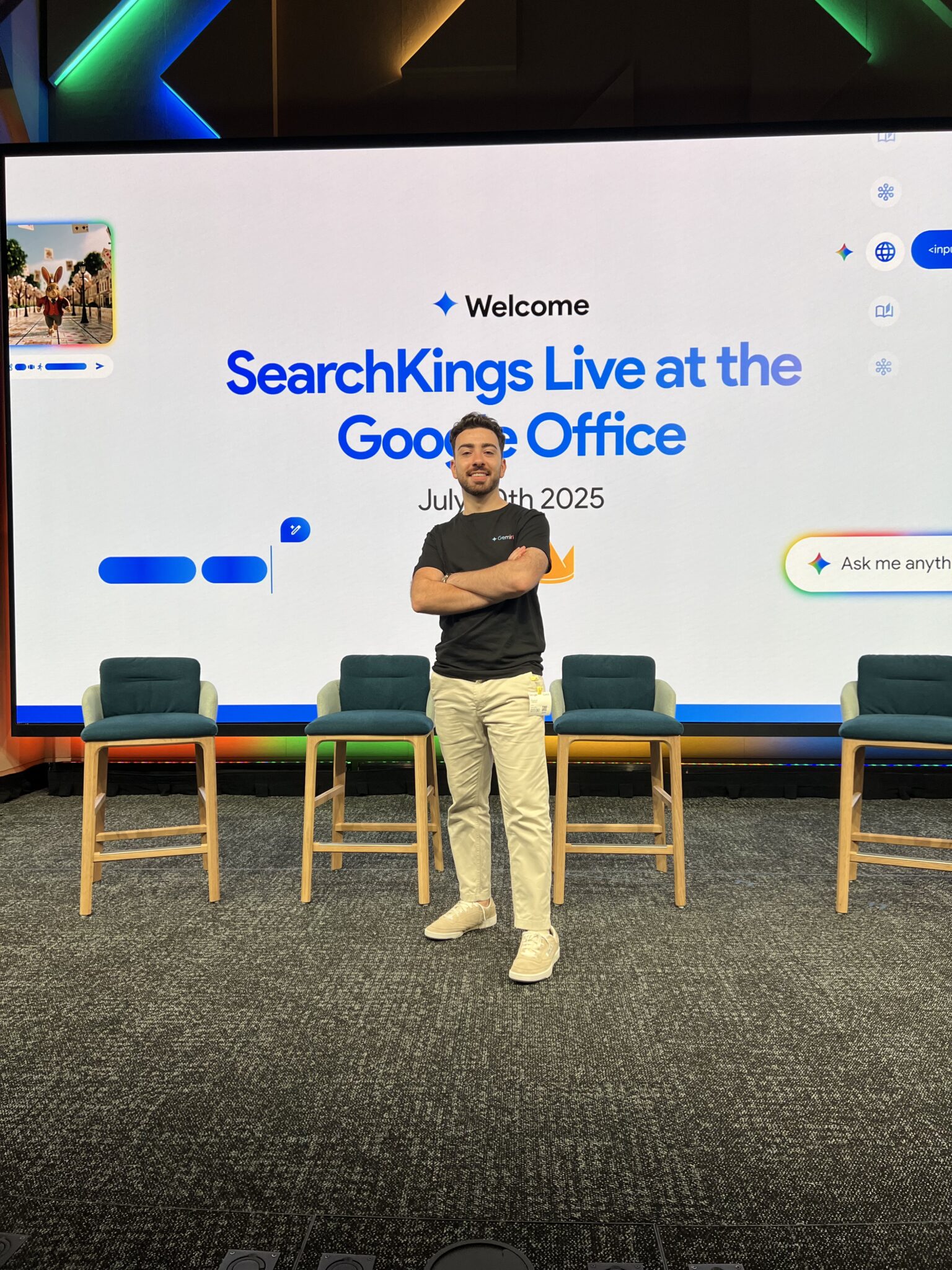
Live from Google Toronto
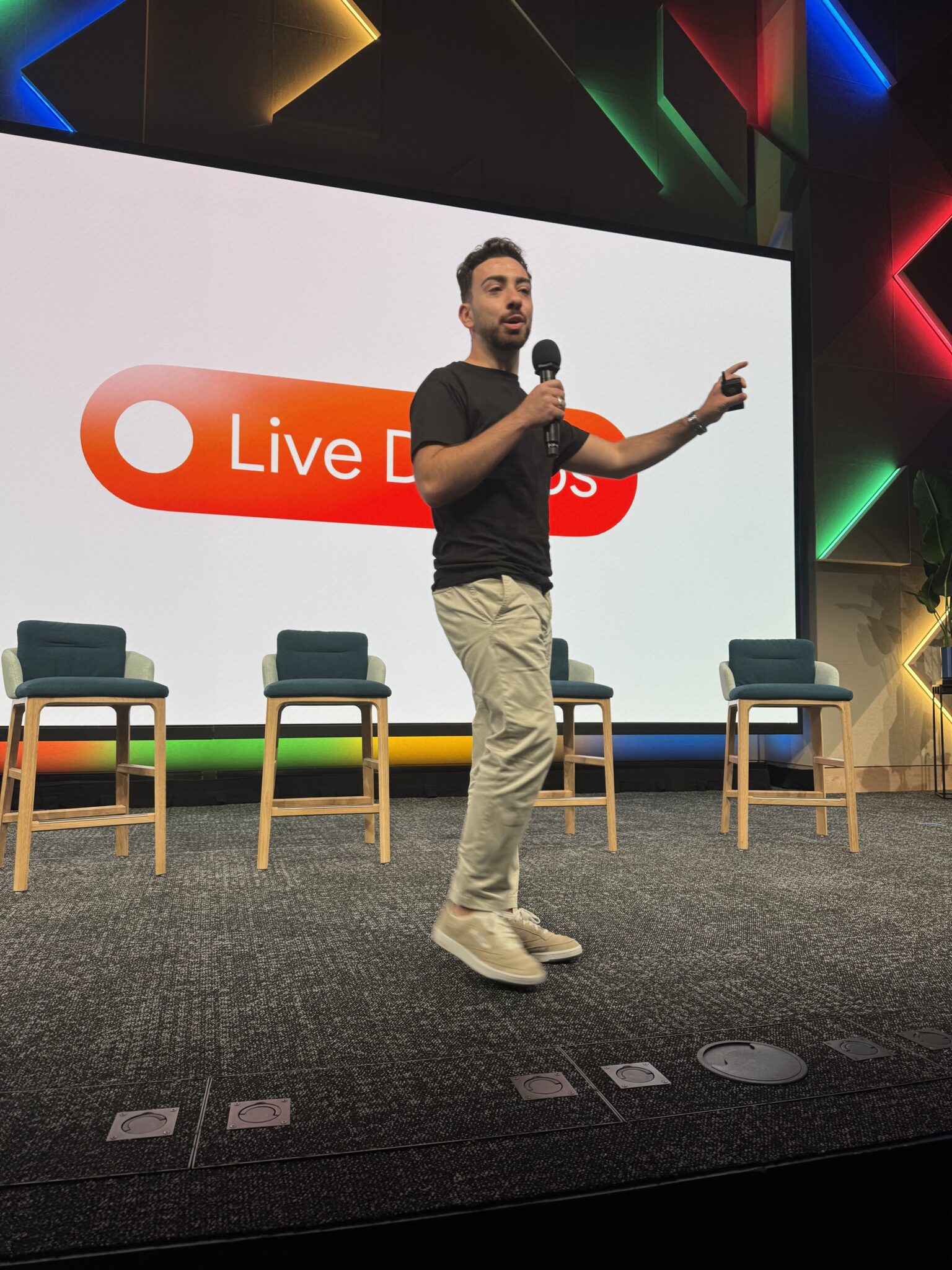
From the room
The story
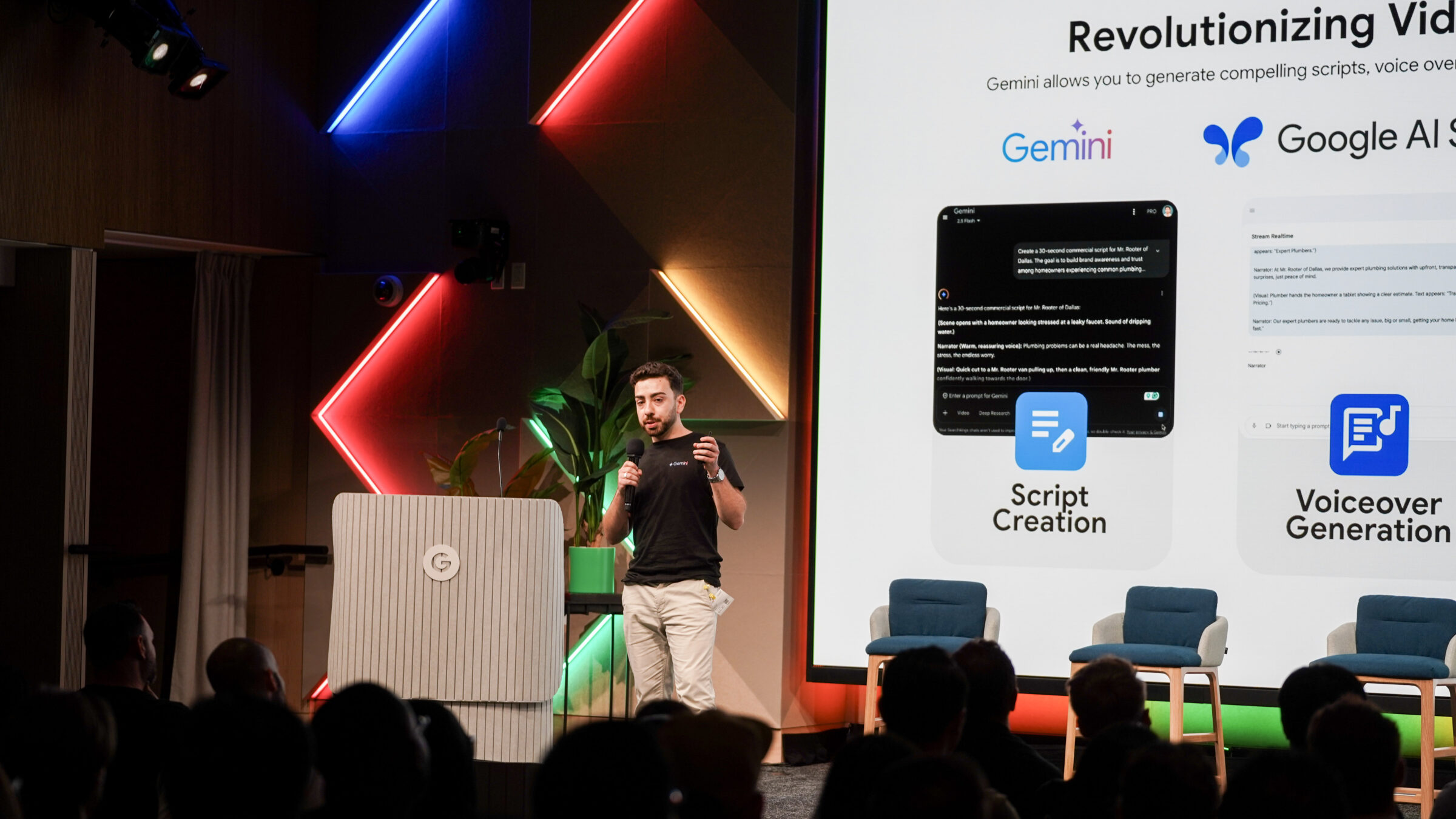
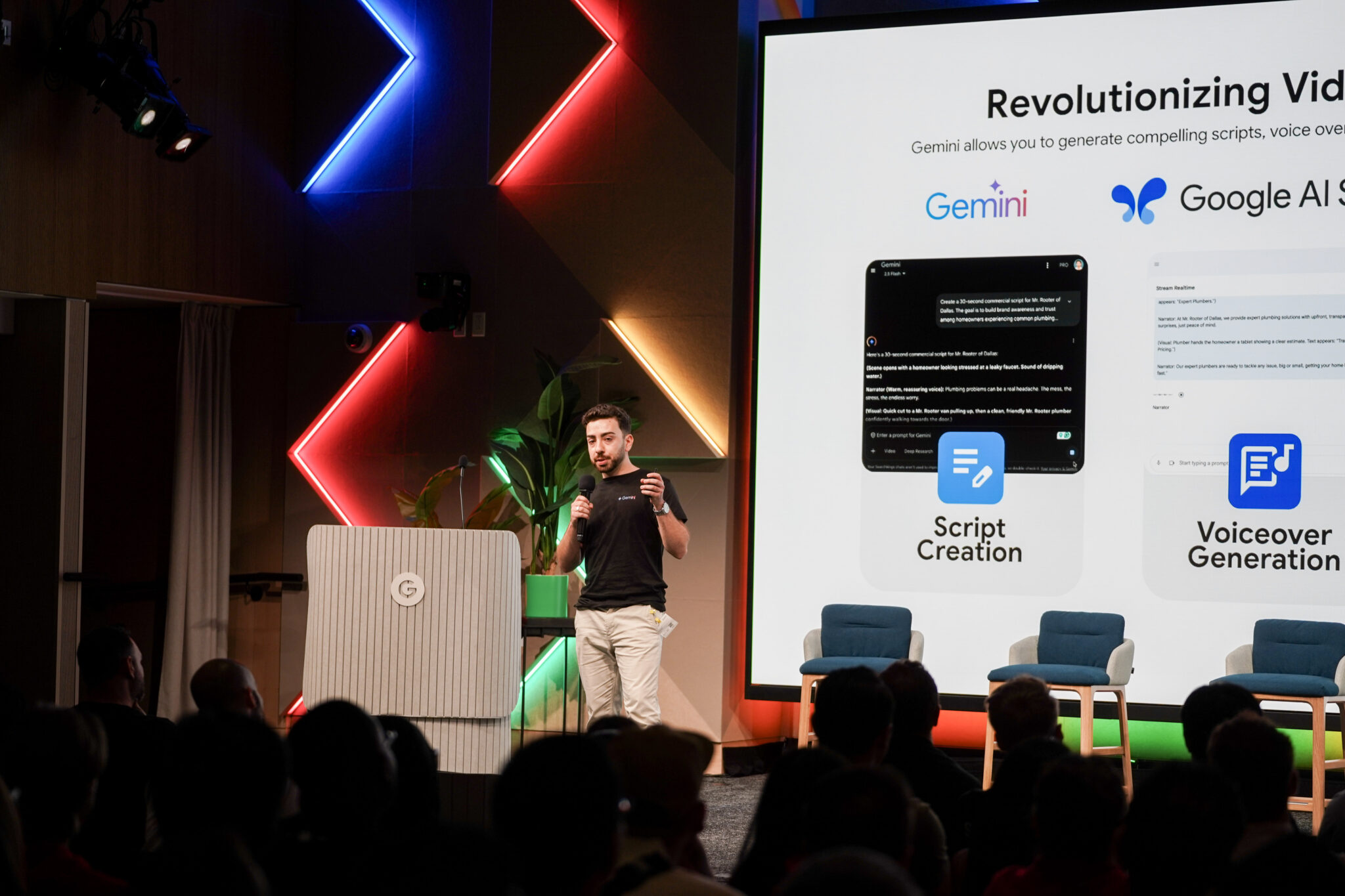
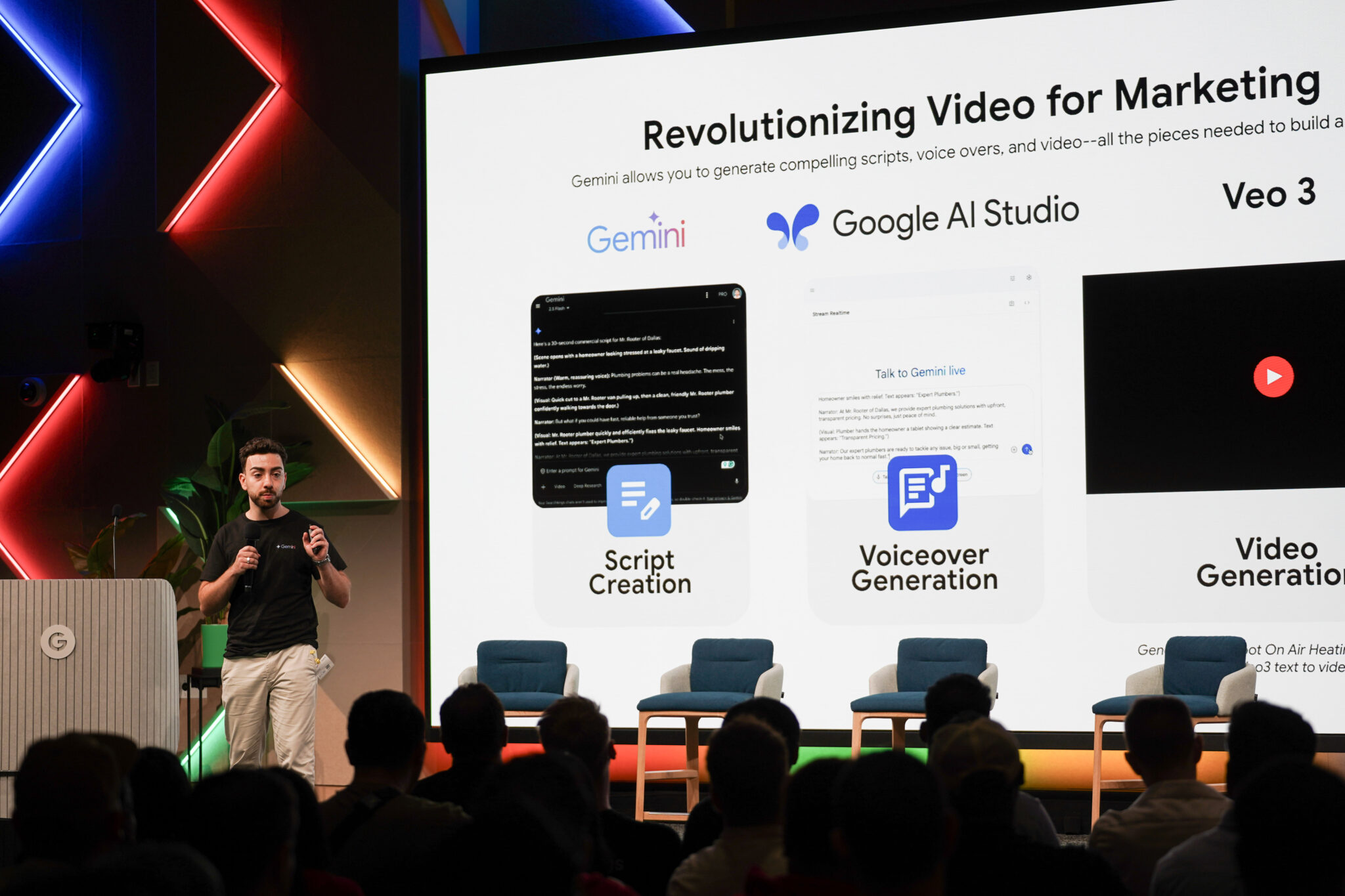
Visiting Google HQ to discuss the future of generative AI offered a firsthand look at the rapidly evolving landscape of video production. We spent our sessions diving deep into Gemini and Veo, focusing on how these platforms are shifting the mechanics of bringing an idea to life.
While the standalone power of these models is impressive, the real breakthrough we explored was how they can be integrated into a seamless, high-fidelity production pipeline.
The Strategy and The Render
The core of our discussion centered on the interplay between Gemini’s reasoning and Veo’s visual output.
Gemini acts as the strategic architect. It handles the heavy lifting of ideation, narrative structuring, and detailed storyboarding. Veo is the execution engine—the tool that takes those complex, nuanced concepts and turns them into fluid, cinematic video.
Architecting the Pipeline
While there, I was able to build out and test a video pipeline that leverages both platforms in a continuous loop. Here is how the workflow comes together:
- Concept & Storyboard (Gemini): Starting with a foundational concept, Gemini builds out the narrative arc. It generates detailed scene breakdowns, defining camera movements, lighting setups, and pacing constraints.
- Prompt Engineering (Gemini): A great render requires a highly specific prompt. Gemini is used to translate standard shot lists into the dense, descriptive language that video generation models require.
- Generation (Veo): Feeding those optimized prompts into Veo produces incredibly precise results. The model’s grasp of cinematic lighting and physical consistency is a significant leap forward for high-end output.
- The Feedback Loop: If a render needs adjustment, the pipeline allows for rapid iteration. We can tweak the creative direction with Gemini, refine the prompt, and push it back through Veo in minutes.